
Pilgrimage
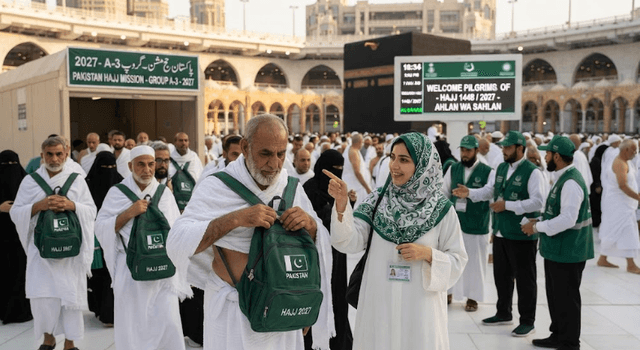
Hajj 2027 from Pakistan: Registration, Government vs Private Scheme and Deadlines
Nov 12, 202618 min read
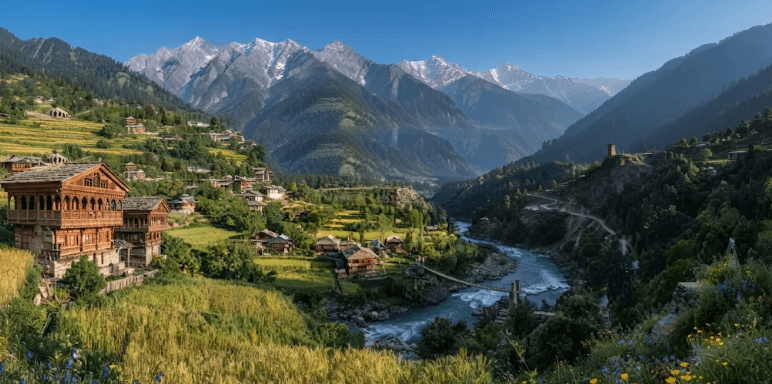
Explore the ultimate Kashmir tour packages travel guide, featuring the best places to visit, beautiful valleys, sightseeing attractions, and exciting activities.
Exploring the right Kashmir tour packages is the first step in turning a dream trip into a smooth, stress-free holiday. Kashmir looks unreal in photos, and then you reach it and discover the photos were modest. A river the colour of jade runs beside the road for hours. Pine forests climb into the clouds. A wooden village sits above a green meadow, and a high lake appears only after a hike, with snow still at its edges in July.
For travellers in Pakistan, much of this lies a short drive north of Islamabad, yet many people don’t know where to begin. Maybe you’ve seen a reel of Neelum Valley and wondered where it is. Maybe you’re comparing Kashmir with Hunza or Swat. Or maybe you want to know whether a Kashmir tour package is better than planning everything yourself.
This guide covers how Kashmir tourism works, the best places to visit in Kashmir, the right season to go, budgets and sample itineraries. It also explains how to choose a Kashmir tour from Pakistan that fits your time, group and comfort level.
The word “Kashmir” covers a large and varied region, so the first step in planning is knowing which part you mean.
For travellers going from Pakistan, “Kashmir” almost always means Azad Jammu & Kashmir (AJK). This is the lush, mountainous region reached from Islamabad and Murree through Muzaffarabad. It includes Neelum Valley, Rawalakot and the Poonch area, and Leepa Valley. The wider region also includes Gilgit-Baltistan, which has its own identity and attractions such as Hunza and Skardu.
This guide focuses on AJK, because that is what most people mean by a Kashmir tour from Pakistan, and it is the region our team at Saffar Guru plans trips for.
A few things set it apart from other northern destinations:
It is close. Muzaffarabad, the capital, is roughly 3 to 4 hours from Islamabad by road, depending on traffic and weather.
It is green. Heavy rainfall and a mild climate give Kashmir dense forests, wildflower meadows and rivers that run full for much of the year.
It suits all seasons. Summer brings meadows, autumn brings gold and red leaves, and winter turns higher areas white.
It works for many travellers. Families, couples, friend groups and solo travellers all find something here, from easy scenic drives to demanding treks.
Compared with some of the more heavily marketed northern destinations, Kashmir tourism is still developing. That means quieter viewpoints and a more local feel. It also means infrastructure can be uneven, which is the main reason planning matters.
1. Variety in a compact area. In one trip you can see a river valley, a high alpine lake, a hill station and a village of traditional wooden houses. You don’t need three separate trips for that range.
2. Cinematic scenery. The Neelum River runs alongside the main road for a long stretch, so even the drive is sightseeing. You don’t have to hike for hours to be rewarded.
3. Culture and hospitality. Kashmiri food, handicrafts such as shawls and woodwork, and the warmth of local hosts are part of the experience. A hot cup of noon chai (the pink salted tea) on a cold morning is hard to forget.
4. Flexible trip length. A rushed weekend is possible, but 5 to 8 days lets you see the key spots without exhausting yourself.
5. Value for money. Compared with international trips, Kashmir is affordable, and a good Kashmir tour package bundles transport, hotels and meals so you can predict your total spend.
Searching for places to visit in Kashmir gives long lists that blur together. Here is a clearer picture of the major destinations and who each suits.
Muzaffarabad is the capital of AJK and the entry point to most itineraries. It sits where the Jhelum and Neelum rivers meet. The city is not the main attraction, but it is where you will usually rest, eat and organise onward travel. Worth a look are the Red Fort and the nearby Pir Chinasi viewpoint, a hilltop shrine at roughly 2,900 metres, loved for its panoramas and cool air.
If Kashmir has a headline act, this is it. Neelum Valley stretches well over 150 km along the Neelum River. The key stops, in the order you usually meet them, are:
Athmuqam: a small town and convenient stop on the road north.
Keran: a riverside village where the Neelum is narrow enough to see the opposite bank. It is popular for accessible river views and guesthouses.
Sharda: known for the ruins of a historic learning site and lovely scenery. A good base for the upper valley.
Kel: a high-altitude village and the usual starting point for Arang Kel.
Arang Kel: a classic Kashmir image, a small village perched on a green plateau above Kel. You reach it by a short cable-chair ride and then a hike of a couple of hours, depending on your pace.
Taobat: at the far end of the valley, with a remote feel and a dramatic setting.
Neelum Valley suits almost everyone, but road conditions vary. Landslides can happen, especially in monsoon months, so flexible planning is important. That is one reason many travellers choose a package with an experienced driver and local guide.
Ratti Gali is a glacial lake reached by a moderately demanding trek, usually from the Dowarian area, and the effort is part of the draw. The best time is usually mid-summer into early autumn, when the trail is clearer. Earlier in the season there may still be snow, and conditions change from year to year.
Banjosa Lake sits in a pine forest near Rawalakot in the Poonch region. It is easy to reach, calm and well suited to families, with boating and a picnic atmosphere. Nearby Toli Pir is a favourite viewpoint for sunrise and sunset.
Leepa is more remote, known for terraced fields and an unhurried rural feel. It suits travellers who want to see Kashmir beyond the usual circuit. The roads are more demanding, so a reliable driver and local knowledge matter more here.
Close to Muzaffarabad, Pir Chinasi gives you a mountain-top experience without a long trek. Patika is a nearby forest area popular for short breaks. Both work well as half-day additions.
Shogran lies in Khyber Pakhtunkhwa rather than Kashmir, but many travellers pair the two. Saffar Guru’s Winter Special Kashmir, Neelum Valley & Shogran tour shows how they combine in one trip.
You don’t need to see everything in one visit. A good itinerary picks a theme (river valley, lakes or winter snow) and goes deeper rather than wider.
The best time to visit depends on what you want from the trip, because every season offers a different version of Kashmir.
Spring (March to May). Blossoms, fresh green hills and comfortable temperatures. Higher areas can still be cool, and some high trails may be snowy early on. Good for photographers and travellers who prefer fewer crowds.
Summer (June to August). Peak season. Days are pleasant at altitude, meadows are green and high spots like Ratti Gali become accessible. It is the best window for trekking. The trade-off is crowds and higher prices, so book early. Monsoon rain in July and August can trigger landslides in river valleys, so build slack into your schedule.
Autumn (September to November). Many repeat visitors call this the best season. The air is crisp, skies are often clearer and the forests turn gold and red. Crowds ease after the summer rush. By late autumn, nights are cold at higher elevations.
Winter (December to February). Snow covers higher areas, and the landscape turns quiet and white. Winter suits travellers who want snowfall, cosy stays and a slower pace, but it needs more caution. Snow and landslides can affect roads, and some attractions may be inaccessible. That is why Saffar Guru’s seasonal offerings, such as the Kashmir 9 Days White Winter New Year tour and the White Winter Kashmir 7 Days New Year tour, are built with flexible plans around weather and road conditions.
Season | Best for | Watch out for |
Spring (Mar–May) | Blossoms, mild weather | Snow on high trails early on |
Summer (Jun–Aug) | Trekking, lakes, long days | Crowds, monsoon landslides |
Autumn (Sep–Nov) | Fall colours, clear skies | Cold nights later in the season |
Winter (Dec–Feb) | Snow, cosy getaways | Road closures, limited access |
Short answer: for an easy first trip, aim for late spring or early autumn. For snow, go in winter with a flexible plan. For high lakes and trekking, go in mid-summer.
One reason Kashmir tourism is growing is accessibility.
From Islamabad/Rawalpindi: this is the usual starting point. The drive to Muzaffarabad takes roughly 3 to 4 hours via Murree, depending on traffic, and the route is scenic.
From Lahore, Karachi and other cities: most travellers fly to Islamabad or take a long road journey, then continue by road. If you’re travelling from Karachi, flying to Islamabad is the simplest option, and many Karachi travellers book a package that starts from Islamabad with airport pickup.
Within Kashmir: public transport exists but is slow and unreliable for sightseeing. Most visitors hire a private vehicle with a driver, which gives control over timing and stops. Four-wheel-drive vehicles are common on rougher routes.
Mountain roads can be narrow and winding, and conditions change with weather. A driver who knows the route is a safety and comfort factor, not a luxury.
This is the question most first-time visitors ask, and both options work. It depends on your experience, group size and appetite for logistics.
Going on your own. You get maximum flexibility and possibly a lower cost if you’re experienced and travelling in a group. But you handle everything: hotel bookings (which can fill up in peak season), vehicle hire, route planning, road closures and any permits. If something changes, you solve it alone.
Booking a Kashmir tour package. Hotels, transport and often meals are arranged in advance. You get a driver and sometimes a guide who know the roads, a route that fits your days, and one point of contact if weather disrupts plans. Budgeting is easier because much of the cost is known upfront. The downsides are less spontaneity and uneven quality between operators, so it matters who you book with.
For a first visit, particularly for families, couples or anyone travelling from another city, a well-planned Kashmir tour package removes the biggest stressors. Experienced travellers who want their own route can ask for a customised itinerary instead. At Saffar Guru, itineraries can be tailored to your group, travel style and pace.
Treat these as starting points rather than fixed plans, since weather and road conditions can change the order of days.
Day 1: Islamabad to Muzaffarabad, with viewpoint stops en route.
Day 2: Muzaffarabad to Keran via Athmuqam. Riverside time and local walks.
Day 3: Keran to Sharda and back, or onward to Kel.
Day 4: Kel and Arang Kel (cable-chair and hike).
Day 5: Return towards Muzaffarabad and Islamabad.
Best for first-timers with limited time who want the signature Neelum Valley experience.
This extends Option A with extra time in the upper valley and a more relaxed pace. It can add a lake or viewpoint day, such as Banjosa and Toli Pir, and leaves a buffer day for weather. Best for families and groups who don’t want to rush.
Slower pacing with more time at each stop, focused on snow viewpoints, cosy stays and flexible daily plans. Best for travellers who want a seasonal, atmospheric trip, including New Year in the mountains.
For ready-made versions, browse Saffar Guru’s Kashmir destination page or the Neelum Valley page.
Costs vary by season, group size, hotel category and inclusions, so treat the following as a framework rather than fixed prices.
What affects the price:
Season. Peak summer and holiday periods cost more than shoulder seasons.
Hotel category. Budget guesthouses, mid-range hotels and premium stays differ widely.
Transport type. A standard car, a larger vehicle or a four-wheel-drive changes the cost.
Group size. Per-person costs usually fall as the group grows, since vehicle and room costs are shared.
Duration. More days mean more nights of accommodation and more transport.
Inclusions. Meals, guides and extra activities all change the total.
Fuel prices. Operators often note that rates may be revised if fuel prices rise.
A reference point: at the time of writing, Saffar Guru lists Kashmir winter packages from roughly Rs. 38,000 for a 7-day trip and Rs. 52,000 to 55,000 for 8 to 9 day options, with some early-booking discounts running through November. These are “from” prices that depend on dates, group size and inclusions, so always confirm the current rate when you enquire.
Hidden cost checklist. When comparing packages, ask whether the price includes:
All hotel nights and the room type
Meals (which ones, and how many)
Private or shared transport
Cable-chair or entry tickets
Driver and guide costs
Taxes or fuel adjustments
A suspiciously cheap quote often leaves some of these out. A transparent operator will itemise what is and isn’t included.
Not all packages are equal. Use this checklist to compare options calmly.
Check the itinerary for realism. Mountain roads are slow. If a package squeezes five major stops into one day, it is probably unrealistic.
Look for flexibility clauses. Weather, landslides and local restrictions are part of mountain travel. A responsible operator says so plainly and explains how they will handle it.
Ask about hotels by name or category. “Hotel stay included” is not enough. You want the room type, location and facilities, especially heating in winter.
Clarify the transport. Is it private? Who is the driver? Is the vehicle suitable for the route?
Confirm inclusions and exclusions. Meals, tickets, activities and extra charges should all be clear.
Read genuine reviews. Look for specifics, such as how the team handled a delay, rather than generic praise.
Test responsiveness. If an operator is slow or vague before you book, it rarely improves afterwards. Look for 24/7 support.
Understand the booking process. There should be a simple confirmation and deposit process, with pre-departure details shared clearly.
Saffar Guru builds its packages around these principles: curated itineraries, verified hotels, local guides with deep area knowledge, transparent pricing and round-the-clock support. To compare options, message the team on WhatsApp or visit the packages page.
Layers. Even in summer, mornings and evenings are cool at altitude. In winter, pack thermal wear, a heavy jacket, gloves, a hat and waterproof boots.
Comfortable walking shoes for Arang Kel and other uneven trails.
Rain protection. Showers can appear in any season.
Power bank and offline maps, since signal can be patchy in valleys.
Basic medicines, including motion-sickness tablets for winding roads.
Cash. ATMs and card payments are less reliable in remote villages.
Take breaks on long drives, and sit near the front if you get carsick.
Eat fresh, hot food and drink bottled or boiled water.
Check weather and road updates before each leg, and avoid driving on mountain roads late at night.
Follow local guidance around rivers and steep edges.
Access to certain areas can change due to local conditions or official instructions, so keep in touch with your operator.
Documents. Pakistani travellers generally need a valid CNIC. Rules for overseas Pakistanis and foreign nationals can differ, and some areas may require permits or no-objection certificates. Confirm current requirements before you travel.
Respecting local culture. Dress modestly in villages, ask before photographing people, carry your waste out of lakes and meadows, and support local businesses from tea stalls to craft sellers.
Part of the joy of Kashmir tourism is food and craft.
Try: noon chai (the famous pink salted tea), local trout in river valleys where available, fresh bread and dairy in smaller villages, and dry fruits and walnuts from local markets.
Bring home: shawls and woollens, wooden handicrafts, and local honey, dried fruit and nuts. Buy from established shops, and ask about the material and origin of anything you purchase.
Trying to do too much. Distances look short on a map but take hours on mountain roads. Fewer stops with more time is almost always better.
Ignoring the season. Expecting snow in September or lake trekking in March leads to disappointment.
Booking late in peak season. Good hotels fill early in summer and during holidays.
Choosing on price alone. The cheapest option often cuts corners on hotels, transport or support.
Skipping a buffer day. A spare day turns a weather delay into a minor adjustment.
Under-packing for cold. Mountain evenings surprise people, even in warmer months.
Assuming everything will be open. Seasonal closures and road conditions can affect access, so stay flexible.
What is the best time to visit Kashmir?
It depends on your goals. Late spring and early autumn suit most people, summer suits trekking and lakes, and winter suits snow lovers who are happy to stay flexible.
How many days do I need for Kashmir?
Five days covers the highlights of Neelum Valley. Seven to nine days lets you explore more at a relaxed pace.
Is a Kashmir tour package worth it?
For most first-time visitors, yes. It simplifies hotels, transport and planning, and makes costs predictable. Compare inclusions carefully before booking.
Which are the best places to visit in Kashmir?
Neelum Valley (Keran, Sharda, Kel and Arang Kel), Ratti Gali Lake, Banjosa Lake, Toli Pir, Pir Chinasi and Leepa Valley are among the best known.
Can I book a Kashmir tour from Karachi?
Yes. Most travellers from Karachi fly to Islamabad and join a package that starts there. Saffar Guru, based in Karachi, regularly helps travellers from the city plan this.
Is Kashmir suitable for families?
Yes, many areas are family-friendly, especially lake and valley stops. Choose a pace that suits children and elders, and avoid long trek days unless everyone is comfortable.
Is Kashmir open in winter?
Many areas are accessible, but snow and landslides can affect roads. Winter packages should allow for weather changes.
If you’ve read this far, Kashmir is probably already taking shape in your mind: a river, a green slope, steam rising from a cup of tea. You don’t need to decide everything today. Here is a calm way to move forward:
Pick your season based on what you most want to see.
Decide your trip length. Five days for highlights, seven to nine for a relaxed exploration.
Shortlist your priorities: the valley drive, a lake trek, snow, or a mix.
Compare two or three packages using the checklist above.
Ask questions. A good operator welcomes them.
When you’re ready, explore Saffar Guru’s Kashmir tours or browse all Pakistan tour packages. If you’d rather talk to someone, call +92 310 2041975 or chat on WhatsApp with your dates, group size and budget, and our team will suggest a plan that fits.
Kashmir rewards travellers who give it time, and the best trips begin with thoughtful planning. We’d be glad to help with yours.
Get the latest travel stories, guides and tips straight to your inbox.
