
Rocky gorges, a railway through the mountains, hidden waterfalls and one of South Asia's oldest settlements, all along one legendary route.
Historic Mountain Route
A historic mountain route with dramatic rock scenery.
Rocky gorges, a railway through the mountains, hidden waterfalls and one of South Asia's oldest settlements, all along one legendary route.
Find Your Next Trip
Bolan Pass cuts through the mountains of Balochistan as a long, winding gorge, linking the high valley of Quetta with the plains of Kachhi and Sindh. Cliffs rise on either side of the Bolan River, and the road and railway follow the narrow valley through tunnels, bridges and dry riverbeds.
For centuries the pass was a major route for traders, travelers and armies moving between the Indus plains and the Iranian and Afghan highlands. In the 19th century the British built a railway through it, which is still one of the most scenic and dramatic railway routes in the country. Near the lower end lies Mehrgarh, an archaeological site where farming settlements date back thousands of years, among the oldest known in South Asia.
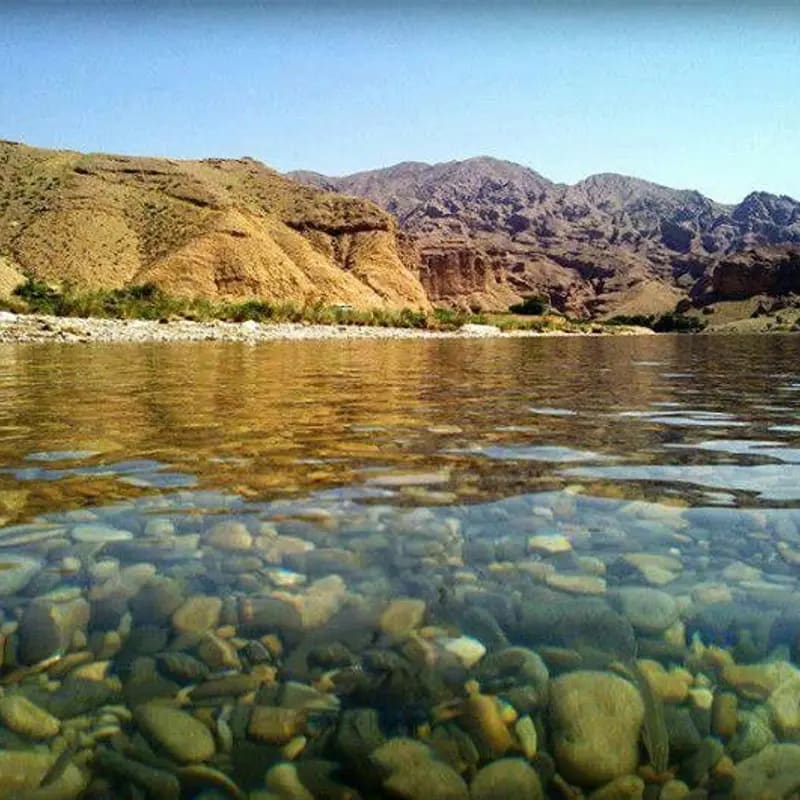
Stretching as a long mountain corridor, the pass follows the steep rock walls of the gorge and the seasonal Bolan River alongside the historic Bolan railway line with its remarkable tunnels, bridges and steep gradients. Key highlights along the route include the settlements of Kolpur and Mach, known for coal mining and railway history, the gateway town of Dhadar, and the nearby Neolithic archaeological site of Mehrgarh. Visitors can also explore the picturesque springs and waterfalls of Pir Ghaib, making it a scenic journey through both rugged landscapes and ancient history. Morning and late afternoon bring softer light on the cliffs and cooler air in the gorge.
Quetta International Airport has flights from Karachi, Lahore and Islamabad, and Quetta is the easiest base for Bolan.
From Quetta, take the road towards Kolpur, Mach and the Bolan route. Conditions vary, so check the road with your operator.
Use a private car or tour vehicle with a local driver. Pir Ghaib and Mehrgarh may need a local guide for the last stretch.
Carry water, food, cash, ID and a charged phone, and share your itinerary with your tour operator.
November to February
Cool to cold, clear skies, comfortable for driving and walking at lower elevations. One of the best times to go.
March to April
Mild and pleasant, with greener hills and flowing springs. One of the best times to go.
May to September
Very hot on the lower, plains side; cooler near Quetta. Visit early morning and avoid midday. Pir Ghaib may be at its busiest.
October
Warm days and cooler evenings. Pleasant and less crowded.
Travel smart
A few useful things to know before you go there.
Confirm the current situation with your tour operator before travelling, and follow their guidance on routes, timing and permissions.
They know the roads, stops and any restrictions.
Start early and return before dark.
Heavy rain can cause flooding or landslides in the gorge.
Facilities along the pass are very limited.
Cards and ATMs are rare outside Quetta.
Light, loose clothing and a scarf for women.
Paths to Pir Ghaib and Mehrgarh are rocky and uneven.
Railway lines, bridges and some government areas may restrict photos, and drones may need permission.
Do not walk on tracks or tunnels.
Ask before photographing people.
Signal may be weak, so share your plan with someone.
Help keep the springs and gorge clean.
Confirm vehicle, guide and meal rates before you start.
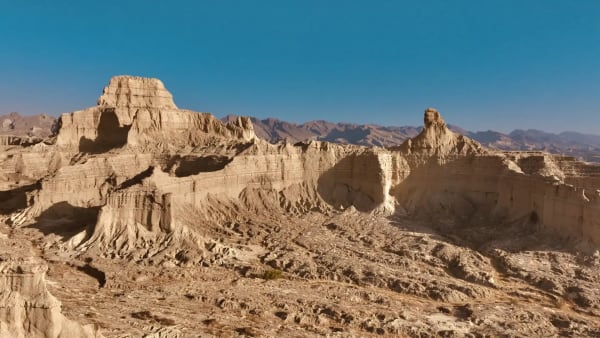
Sculpted rock formations, mud volcanoes, a sacred cave temple and a turquoise beach, all along the Makran Coastal Highway.
View Details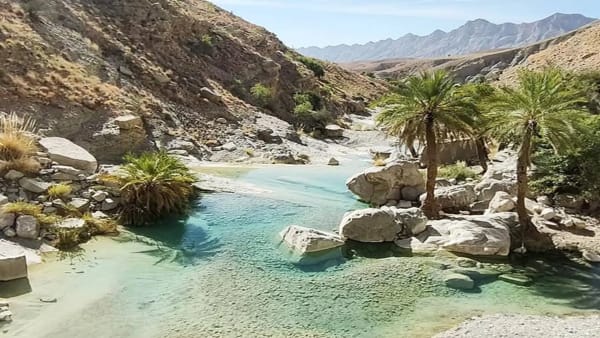
Rugged mountains, a perennial river, hidden waterfalls and ancient shrines, all in one of Balochistan's least-explored corners.
View Details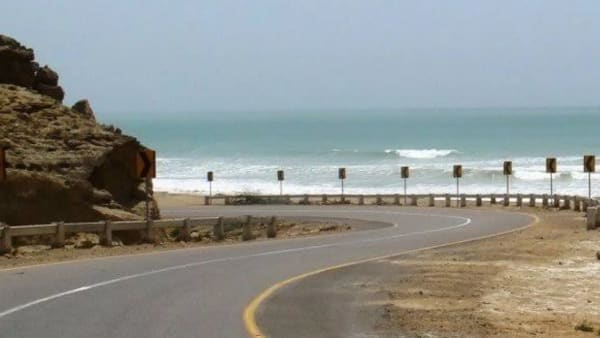
Golden sand, clear water and desert mountains meet in Hingol National Park, just a morning's drive from Karachi.
View Details
A long, untouched beach, a headland shaped like a hammerhead and one of Pakistan's most scenic coastal drives, all in one fishing town.
View Details
Mountain-ringed valleys, turquoise lakes, orchards and the warm hospitality of Balochistan's capital.
View Details
Fragrant juniper forests, orchard-covered valleys and the wooden Quaid-e-Azam Residency, high in the mountains near Quetta.
View DetailsLocation
Explore Bolan Pass in Balochistan and get directions easily.
Balochistan
It is a historic mountain pass in Balochistan linking Quetta with the Kachhi plain and Sindh.
Let us plan your Balochistan journey while you travel through the gorge, the railway and the hidden springs of this historic mountain gateway.