
Sculpted rock formations, mud volcanoes, a sacred cave temple and a turquoise beach, all along the Makran Coastal Highway.
Natural Rock Formations
Natural rock formations: Princess of Hope and the Sphinx.
Sculpted rock formations, mud volcanoes, a sacred cave temple and a turquoise beach, all along the Makran Coastal Highway.
Find Your Next Trip
Hingol National Park is a vast stretch of coastal desert, mountains and gorges along the Makran coast. The landscape is dry and dramatic, with rock and mud formations carved over thousands of years by wind and rain. The Makran Coastal Highway cuts through it, making the park easy to see from the road.
The park is known for its natural landmarks. The Princess of Hope looks like the silhouette of a woman gazing at the horizon, while the Sphinx, on the ridge, resembles its Egyptian namesake. Nearby are the Chandragup mud volcanoes and the Hinglaj Devi temple, a cave shrine and major Hindu pilgrimage site. At the coast, Kund Malir beach offers clear water and open sky.

The park is a large area rather than a single site, with highlights spread along the highway and river:
Princess of Hope: A natural rock formation shaped like a standing woman, a roadside viewpoint along the N-10.
The Sphinx (Lion of Balochistan): A rock formation on the ridge resembling the Sphinx. Reaching it involves a hike that needs some stamina.
Kund Malir beach: A wide, quiet beach at the edge of the park, popular for picnics, camping and sunsets.
Hingol River: Flows through the park to the sea. Fish such as the golden mahseer are found here, and marsh crocodiles live along the river.
Chandragup mud volcanoes: Small mud volcanoes, a unique geological and cultural site.
Hinglaj Devi temple: A temple set in a cave in the mountains, one of the most important Hindu pilgrimage sites in the region.
Historic tombs: A signboard in the park refers to tombs linked to soldiers of Muhammad bin Qasim's army.
Wildlife: Species reported in the park include the Sindh leopard, Indian fox, jungle cat, marsh crocodile, green sea turtle and Houbara bustard, along with many reptiles, birds and plants. Sightings are never guaranteed.
Morning and late afternoon bring softer light on the rock formations and cooler air along the coast.
Karachi is the base for Hingol, with an international airport, hotels and tour operators.
From Karachi, follow the N-25 (RCD Highway) through Hub to Zero Point, where the Makran Coastal Highway (N-10) begins. Confirm the current route and road condition with your operator.
The N-10 passes the park's main points, including Kund Malir, Princess of Hope and the Sphinx. Use a private car or tour vehicle with a local driver. Some sites, such as the mud volcanoes and Hinglaj Devi, may need a local guide or off-road vehicle.
Fill up fuel before the highway, and carry water, food, cash, ID, a charged phone and a power bank.
October to November
Warm days and cooler evenings. One of the best times to go.
December to February
Pleasant days, but nights can be bitterly cold. Carry warm layers.
March
Mild and comfortable. One of the best times to go.
April to September
Hot throughout, either dry or humid. Go at dawn and dusk and avoid midday.
Travel smart
A few useful things to know before you go there.
Confirm the current situation with your tour operator before travelling, and follow their guidance on routes, timing, checkposts and permissions.
They know the road, sites and conditions.
Start early and return or reach camp before dark.
Fuel and repair services are limited along the route.
There are almost no shops inside the park.
Cards and ATMs are not reliable outside Karachi and Hub.
There are no lifeguards. Do not swim alone, at night or in strong currents.
Hat, sunscreen, sunglasses and light, loose clothing.
Dress modestly, ask before photographing people and follow guidance at religious sites.
Keep your distance, do not feed or disturb animals, and stay on tracks.
Signal may be weak or absent, so share your plan with someone.
Permissions and entry arrangements can change.
Help keep the park clean.
Confirm vehicle, guide, camping and meal rates before you start.
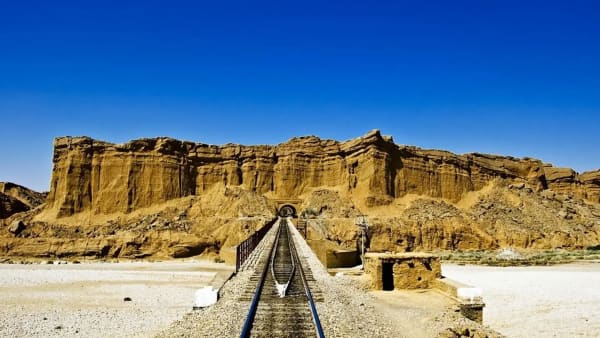
Rocky gorges, a railway through the mountains, hidden waterfalls and one of South Asia's oldest settlements, all along one legendary route.
View Details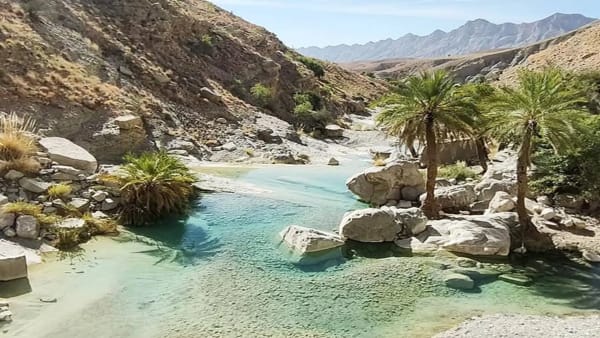
Rugged mountains, a perennial river, hidden waterfalls and ancient shrines, all in one of Balochistan's least-explored corners.
View Details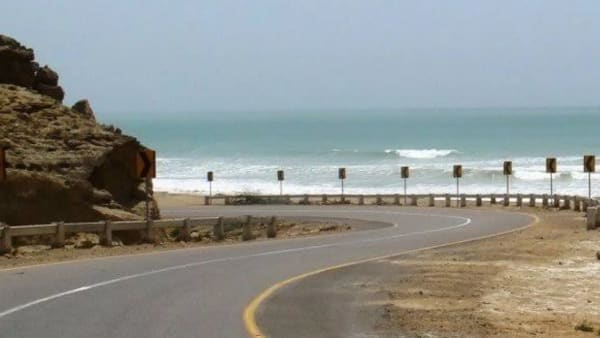
Golden sand, clear water and desert mountains meet in Hingol National Park, just a morning's drive from Karachi.
View Details
A long, untouched beach, a headland shaped like a hammerhead and one of Pakistan's most scenic coastal drives, all in one fishing town.
View Details
Mountain-ringed valleys, turquoise lakes, orchards and the warm hospitality of Balochistan's capital.
View Details
Fragrant juniper forests, orchard-covered valleys and the wooden Quaid-e-Azam Residency, high in the mountains near Quetta.
View DetailsLocation
Explore Hingol National Park in Balochistan and get directions easily.
Balochistan
A large national park on the Makran coast of Balochistan, established in 1988, known for rock formations, wildlife, a river and beaches.
Let us plan your Balochistan journey through rock formations, sacred sites and the wild coast of Makran.