
Mountain-ringed valleys, turquoise lakes, orchards and the warm hospitality of Balochistan's capital.
Cool Mountain Climate
Cool summers and snowy winters, a refreshing change from the plains.
Mountain-ringed valleys, turquoise lakes, orchards and the warm hospitality of Balochistan's capital.
Find Your Next Trip
Quetta sits in a high valley ringed by dry, rugged mountains, with orchards of apples, apricots, cherries and pomegranates in the surrounding countryside. Cooler than most of Pakistan in summer, it has long been a place where travelers come for fresh air, fruit and a very different landscape from the plains.
The city grew in importance under British rule as a frontier garrison town, and it remains the provincial capital of Balochistan and a meeting point for Baloch, Pashtun, Brahui and Hazara communities. A major earthquake in 1935 reshaped the city, and much of today's Quetta was rebuilt afterwards. Its bazaars, food culture and nearby natural sites make it a rewarding stop for travelers who want to see another side of Pakistan.

Set across a valley floor, the city features busy shopping hubs like Liaquat Bazaar and Jinnah Road for carpets, embroidery, and dry fruits. Key highlights include scenic nature spots like Hanna Lake and Urak Valley, Hazarganji Chiltan National Park for markhor wildlife, and nearby attractions such as the Quaid-e-Azam Residency in Ziarat and Pir Ghaib Waterfalls. Visiting in spring or early autumn offers the best weather, flowering trees, and fresh fruit.
Quetta International Airport has flights from Karachi, Lahore and Islamabad, which is the quickest and most comfortable way to arrive. Rail and road routes exist but are long.
From Karachi, the journey follows national highways through Balochistan and takes 10 to 12 hours or more. Check road and security conditions before travelling.
Use taxis, ride-hailing where available, or a hired car with a driver. Local guides are strongly recommended.
Carry warm clothing outside summer, cash and ID, and share your itinerary with your tour operator.
December to February
Very cold, with frost and occasional snow. Quiet and beautiful, but bring heavy winter clothing.
March to May
Mild and pleasant, with blossoms and green valleys. One of the best times to go.
June to August
Warm days and cool evenings, with orchards in fruit. The busiest season.
July to August
Quetta gets little monsoon rain, but roads and hill routes can be affected elsewhere. Check conditions first.
September to November
Clear skies, cool air and fruit harvest. Pleasant and less crowded.
Travel smart
A few useful things to know before you go there.
Confirm the current situation with your tour operator before travelling, and follow their guidance on areas and timing.
They know the roads, customs and safe routes.
The road journey from other cities is long.
Evenings and winters are cold, even when days are warm.
Light, loose clothing for men and women, with a scarf for women.
Balochistan is traditional and hospitable, so be polite and ask before photographing people.
Some government and military areas restrict photos, and drones may need permission.
Cards may not work in markets and smaller places.
The air is dry, and altitude can cause mild tiredness.
Ask your guide or hotel for recommendations.
Plan journeys for daylight hours.
Confirm taxi, guide and shopping prices before you start.
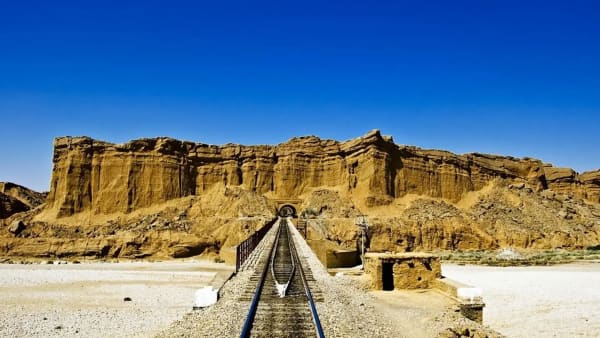
Rocky gorges, a railway through the mountains, hidden waterfalls and one of South Asia's oldest settlements, all along one legendary route.
View Details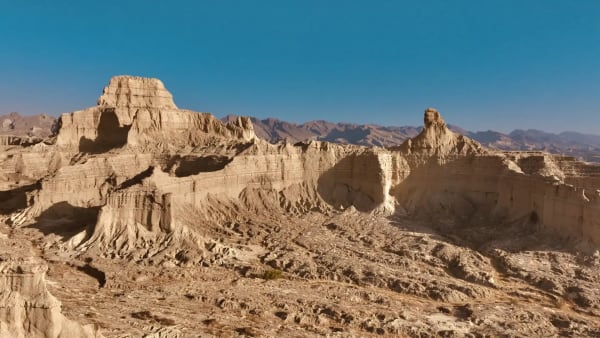
Sculpted rock formations, mud volcanoes, a sacred cave temple and a turquoise beach, all along the Makran Coastal Highway.
View Details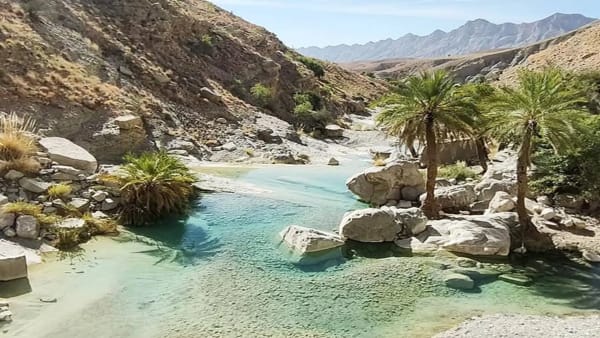
Rugged mountains, a perennial river, hidden waterfalls and ancient shrines, all in one of Balochistan's least-explored corners.
View Details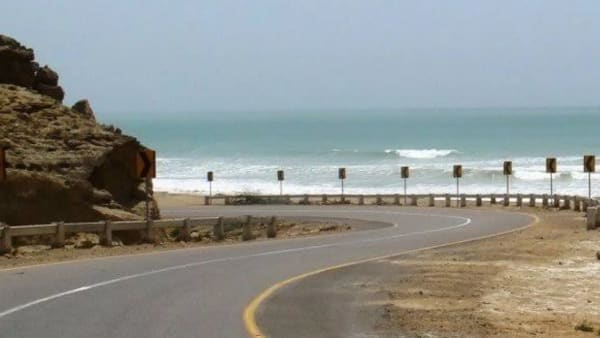
Golden sand, clear water and desert mountains meet in Hingol National Park, just a morning's drive from Karachi.
View Details
A long, untouched beach, a headland shaped like a hammerhead and one of Pakistan's most scenic coastal drives, all in one fishing town.
View Details
Fragrant juniper forests, orchard-covered valleys and the wooden Quaid-e-Azam Residency, high in the mountains near Quetta.
View DetailsLocation
Explore Quetta in Balochistan and get directions easily.
Balochistan
Quetta is known as the Fruit Garden of Pakistan, and is famous for its orchards, dried fruit, sajji and mountain scenery.
Let us plan your Balochistan trip while you enjoy the orchards, the lakes and the warm hospitality of the Fruit Garden of Pakistan.