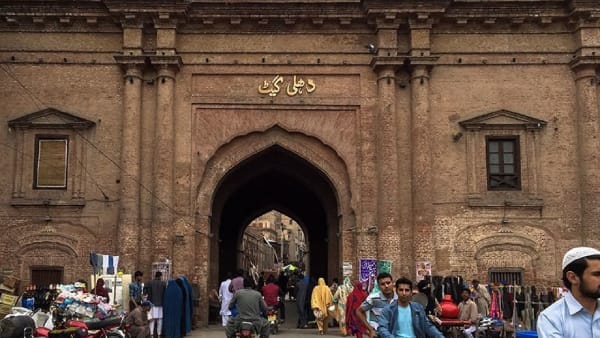
Raja Bazaar is known for wholesale and retail shopping, cloth, jewellery, dry fruits, wedding goods and street food. It is really a network of connected bazaars and lanes rather than a single market, with a colonial-era layout where old havelis, temples and mosques sit tucked among the shops.
Raja Bazaar is best explored on foot, moving from lane to lane. Different sections specialise in different goods, so it helps to know where to head.
Cloth and fabric lanes: Shops for lawn, cotton, silk, bridal fabrics and ready-made suits, popular with families and wedding shoppers.
Jewellery and gold shops: Dense clusters of jewellers selling gold, silver and bridal sets.
Dry fruit and spice stalls: Almonds, walnuts, pistachios, dates, spices and sweets, especially popular before Ramadan and Eid.
Moti Bazaar and Bohar Bazaar: Neighbouring markets famous for general shopping and street food.
Shoes, bangles and accessories: Shops selling footwear, bangles and fancy items for weddings and festivals.
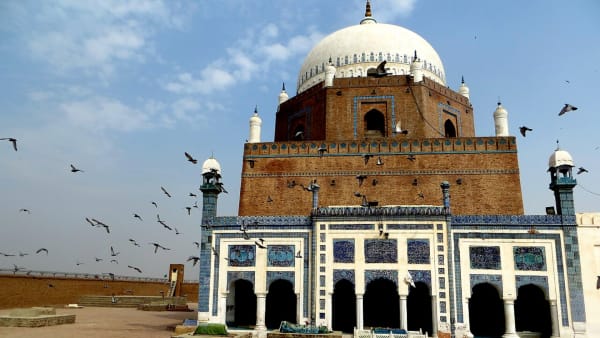
Old mosques and heritage buildings: Jamia Masjid and several older structures, including historic temples and havelis, sit close to the market lanes.
Street food corners: Chana chaat, dahi bhallay, kebabs, tikka, tea and sweets at stalls and small restaurants around the bazaar.
Late morning and early evening give the best mix of open shops and lively atmosphere. Ramadan nights and pre-Eid evenings turn the whole area into a festival of lights and crowds.