Also known as the Shrine of Hazrat Bahauddin Zakariya or Mazar Bahauddin Zakariya Multani, it is dedicated to Sheikh Bahauddin Zakariya (c. 1170 to 1267), the great Suhrawardi Sufi saint of Multan. The shrine dates to the 13th century, traditionally linked to the saint's own lifetime around 1262, and was extensively repaired and restored in later centuries. Its early Sultanate-era brick architecture carries a large dome, with later tile and timber decoration added over time, and the square tomb chamber sits within a walled complex.
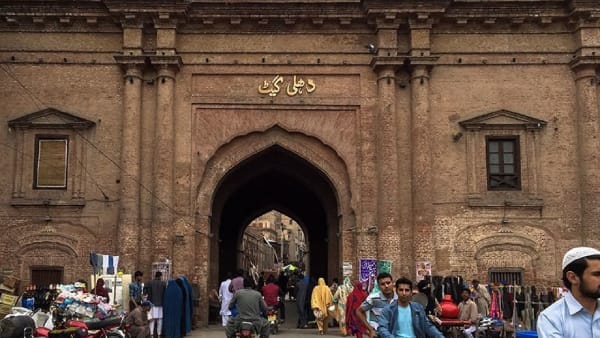
The shrine stands within a walled complex on the old fort mound, and visitors approach it through the gate and courtyard. Inside, the square tomb chamber lies beneath the main dome.
The tomb chamber: A square, domed space that holds the grave of the saint, where devotees offer prayers and recite verses.
The main dome: A large dome rising above the chamber, one of the best-known features of the Multan skyline.
Brickwork and tile decoration: Baked brick walls with painted, carved and glazed decoration, in the typical blue tones of Multan.
Carved timber and inner decoration: Wooden doors, beams and decorated ceilings.
The courtyard and mosque: Open spaces where visitors rest, pray and gather.
The fort mound: Raised ground with wide views over rooftops, domes and nearby shrines.
Tomb of Shah Rukn-e-Alam: The famous octagonal tomb is a short walk away on the same mound.
Gateway and approach: The old entrance and stairs that lead up to the complex.
Late afternoon brings warm light on the brick and tile, and the courtyard is calmer in the early morning.